
Earthquake & Tsunami Preparedness: What You Need to Stay Safe
Natural disasters like earthquakes and tsunamis can strike without warning, leaving little time to react. Preparation is key to minimizing risks and protecting your loved ones. Whether you live in a coastal region or near a fault line, this guide outlines everything you need to be ready when the ground shakes or the ocean rises.
FTC Disclaimer: Some links in this guide may be affiliate links. If you purchase a product with the links that I provide I may receive a small commission. There is no additional charge to you!🧭 1. Create an Emergency Plan
Evacuation Routes: Know how to evacuate from your home, workplace, and school. If you're in a tsunami-prone area, locate high ground or inland evacuation zones.
Meeting Points: Choose safe places to reunite with family if separated.
Emergency Contacts: Designate an out-of-area contact person.
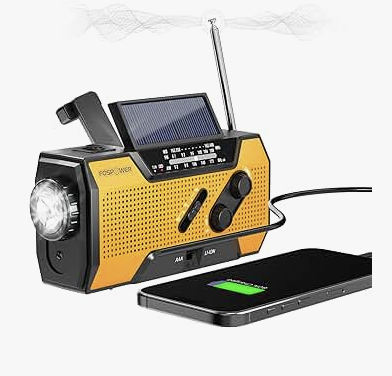
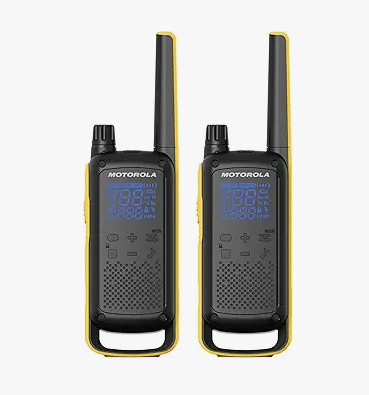
Communication Plan: Plan for how you’ll communicate if mobile networks go down (e.g., walkie-talkies, radio, physical notes).

🎒 2. Assemble Emergency Kits
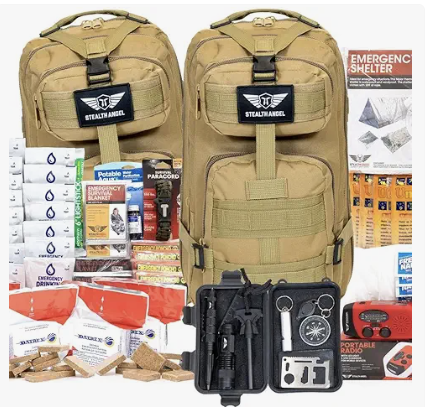
You’ll need at least 72 hours of supplies. Pack kits for home, car, and work.
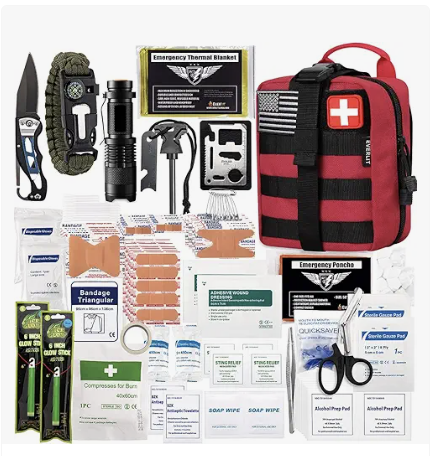
Basic Emergency Kit:
Water (1 gallon per person per day)
Non-perishable food (energy bars, canned goods)
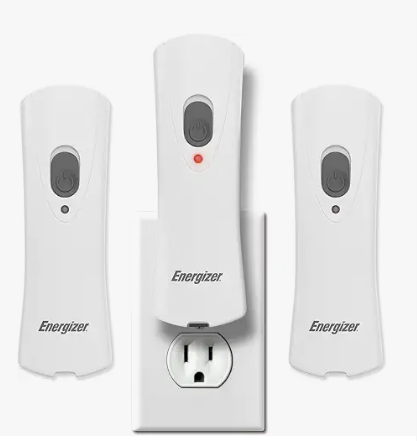
Flashlights and extra batteries
First-aid kit
Dust masks or N95 respirators
Whistle (to signal for help)
Multi-tool or Swiss Army knife
Manual can opener
Local maps
Emergency blankets
Waterproof matches or lighter
Additional Items for Tsunami Preparedness:
Inflatable life vests (especially for children)
Rope or cord
Waterproof dry bags
Emergency radio (hand-crank or solar powered)
Copies of important documents in waterproof container
Personal Items:
Medications and prescriptions
Eyeglasses or contacts
Hygiene supplies (toothbrush, soap, sanitary items)
Cash (ATMs and card systems may fail)
Phone chargers (solar or power bank)

🏠 3. Prepare Your Home
Earthquake-Safe Measures:
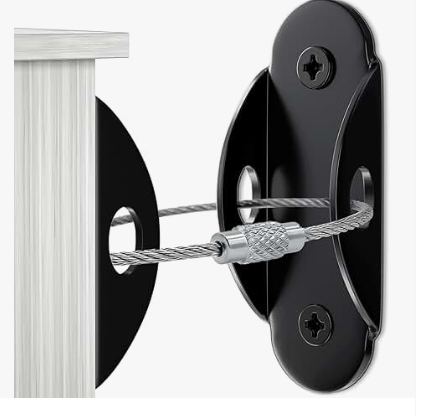
Anchor heavy furniture (bookshelves, TVs) to walls
Secure gas appliances and water heaters
Store breakables and heavy items low
Keep shoes and a flashlight under your bed
Install automatic gas shut-off valves
Tsunami-Safe Measures:
Know the tsunami evacuation zone and route
Avoid building or staying long-term near the immediate coast
Elevate utilities above expected flood levels
🧠 4. Stay Informed
Sign up for alerts: Use local government or national alert services (e.g., FEMA, NOAA).
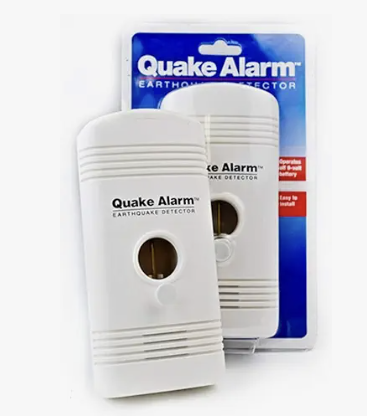
Monitor weather and seismic activity: Use apps or radios that receive emergency broadcasts.
Know the warning signs:
Earthquake: sudden shaking, rumbling noise.
Tsunami: long or strong quake, sudden ocean retreat, roaring sound.
👨👩👧👦 5. Practice Drills with Your Family
Conduct regular earthquake drills: “Drop, Cover, and Hold On.”
Practice tsunami evacuations: walking your route to high ground.
Teach children emergency numbers and how to use a whistle or radio.
🧭 6. Community & Neighbor Readiness
Get involved in local emergency preparedness groups.
Know who in your neighborhood might need extra help (elderly, disabled).
Share resources and make joint plans with nearby residents.
🧾 7. Review and Refresh Annually
Check expiration dates on food, batteries, and medications.
Update emergency contacts and documents.
Reevaluate your kits based on growing family needs or seasonal changes.
Being prepared doesn’t mean living in fear. It means being smart, proactive, and ready to act. Earthquakes and tsunamis don’t announce themselves, but with the right preparations, you can stay safe, calm, and in control. Starting today! Your future self and your loved ones will thank you.