
🌱 Matcha Magic: Benefits, Buying Tips & Brewing Secrets
Matcha has taken the wellness world by storm and for good reason. This vibrant green tea powder isn’t just a trend; it’s a centuries-old superfood packed with antioxidants, nutrients, and calming energy. Whether you’re sipping it for focus, glowing skin, or a mindful ritual, matcha delivers a unique combination of wellness and pleasure. If you ask me tea or coffee, my answer will always be tea. I’ve been whisking my own matcha almost daily for the past year and a half. I’m still pretty new to this matcha journey and while I’m slowly discovering the different types and brands of matcha, I’m also getting to know the different flavor profiles they have and which ones suit my own taste.
FTC Disclaimer: Some links in this guide may be affiliate links. If you purchase a product with the links that I provide I may receive a small commission. There is no additional charge to you!✨ The Benefits of Matcha
Antioxidant Powerhouse
Matcha is rich in catechins, especially EGCG (epigallocatechin gallate), which fights free radicals and supports cellular health. Think of it as an inside-out shield for your body.Calm, Focused Energy
Unlike coffee, matcha gives you a steady, jitter-free boost. Thanks to L-theanine, an amino acid, you’ll experience calm alertness — perfect for work, study, or meditation.Supports Detox & Metabolism
The chlorophyll in matcha helps the body naturally flush toxins while also gently boosting metabolism.Skin & Beauty Benefits
Matcha’s antioxidants help combat inflammation and slow signs of aging, giving your skin that fresh, healthy glow.Mindful Ritual
Brewing matcha is more than just making a drink — it’s a pause for mindfulness, a moment of calm on a busy day.
🍵 How to Choose the Right Matcha
Not all matcha is created equal. Here’s what to look for:
Color: Bright, vibrant green = higher quality. Dull yellow-green often means it’s older or lower grade. You can really test the difference between a high grade such as ceremonial grade to a low grade. I can attest to this because I’ve bought a big bag of Itoen matcha powder from Costco before. The color was dull and yellowish, the taste was bland: not as complex as the higher end ones and doesn’t stay as long , it has a slightly bitter taste to it. I don’t want to put it to waste but I couldn’t bring myself to finish it till this day. I can only use it for cooking or dilute it in a latte, can never drink it as Usucha (thin tea/ 薄茶).
Origin: Japanese matcha (from Uji, Nishio, or Kyushu) is considered the gold standard.
Grade:
Ceremonial grade – Best for drinking straight; smooth, delicate flavor.
Culinary grade – Ideal for lattes, baking, and smoothies; slightly stronger taste.
* Need to keep in mind that these grading is a Western marketing concept, not an official standardized system in Japan. In Japan, matcha is evaluated by its intrinsic qualities (taste, color, texture, freshness, and aroma), production method (harvest period, hand picked or machine picked, hand turned stoned mill or machine powered mills: stone, ball, jet, beads, and its intended use such as traditional tea ceremonies or everyday use). In Japan, quality is determined by a tea master's evaluation of the tea's distinct characteristics, a practice that caters to the nuances of the Japanese tea tradition rather than a standardized grading system applied outside of the country.
Texture: Fine, silky powder means freshness. Clumps or coarse grains are usually a red flag.
🫖 How to Brew Matcha
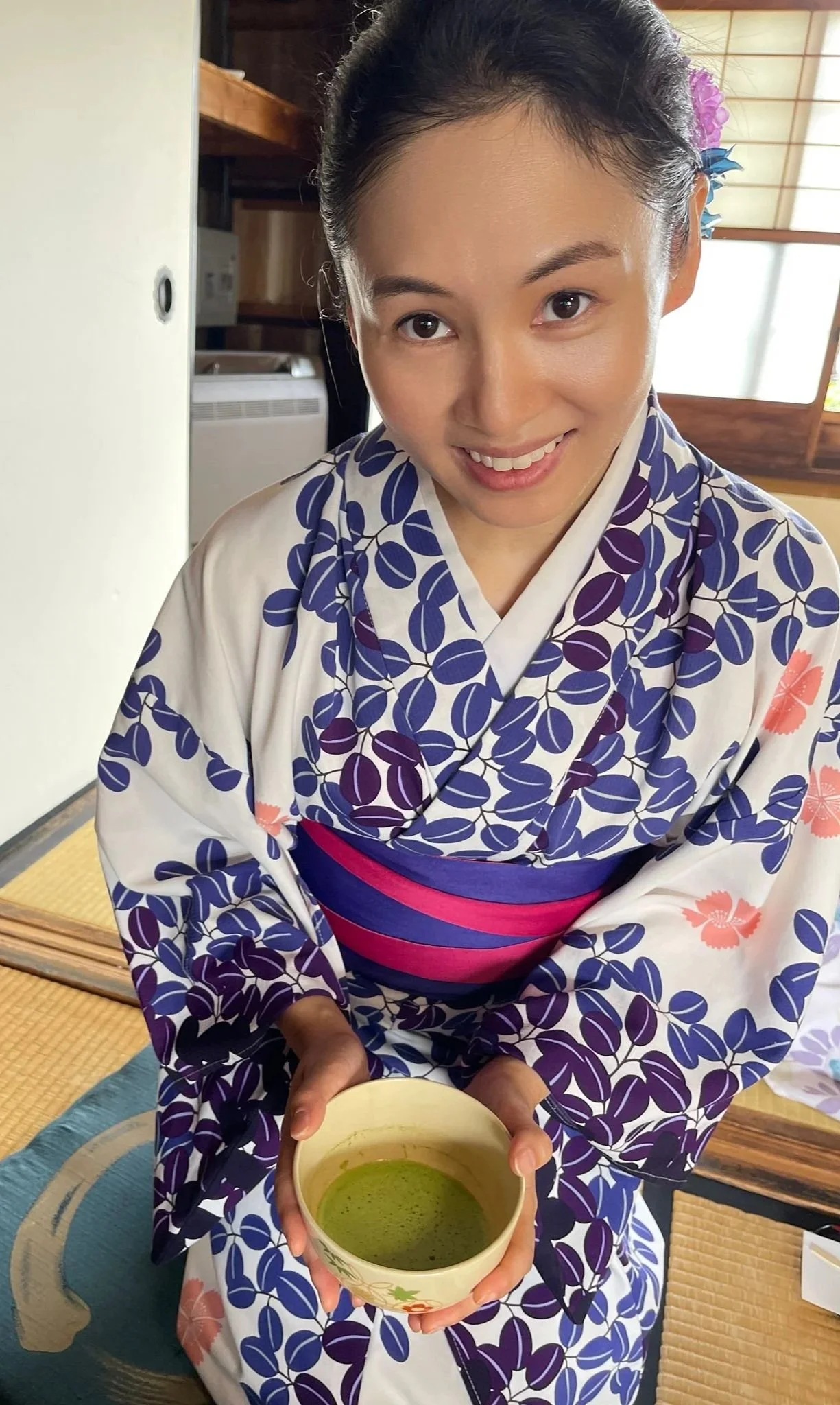
Each bag or tin of matcha should include instructions for the ideal brewing method for that specific type of matcha to ensure the best flavor and texture. I took a tea ceremony class while I was in Japan last year and have learnt the basics. The following is a generalized method in how I like to brew my matcha at home.
Soak the Chasen (茶筅) bamboo whisk in warm water preferably until it just reaches the colored string which holds the prongs together for 1-2 minutes.
Open the bag/tin of match powder and scoop 1-2 grams of matcha with a Chashaku (茶杓) tea scoop .
Sift the matcha into a Chawan (茶碗) matcha bowl to prevent clumps.
Measure 3 oz of hot water (not boiling, around 175-180°F /80-83°C ) in a measuring cup.
Pour in a little bit of that 3 oz hot water into the matcha bowl and start to whisk with a bamboo tea whisk. It will turn into a thick paste. Then pour in the rest of the 3 oz hot water into the matcha bowl and whisk in a “W” motion until frothy.
End with a circle motion to bring the froth tip to the center, enjoy straight up as Usucha (thin tea/ 薄茶) or add frothed milk for a creamy matcha latte.
💡 Pro tip: Always store your matcha in an airtight container, away from light and heat to preserve freshness.
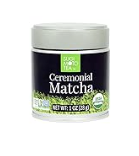
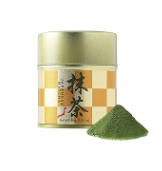
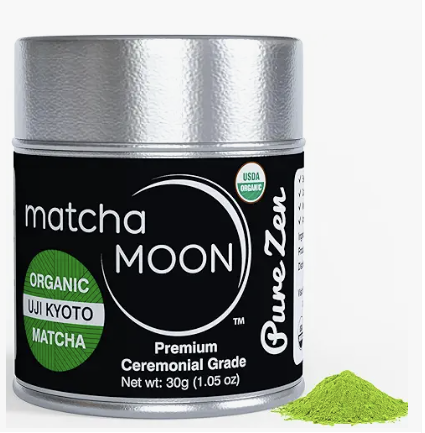
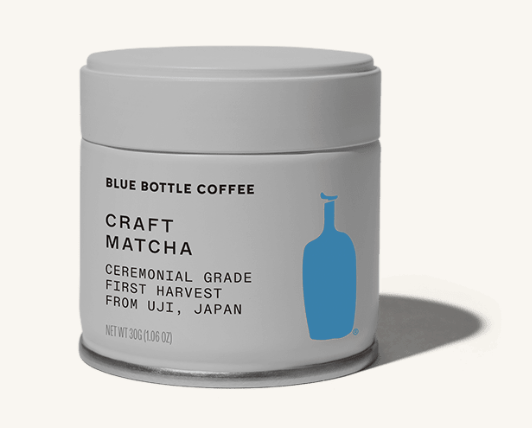
Here are some matcha that I’ve tried and have repurchased a few times. Give them a try and tell me your thoughts about them.
SUGIMOTO TEA Japanese Organic Matcha Powder Ceremonial Grade
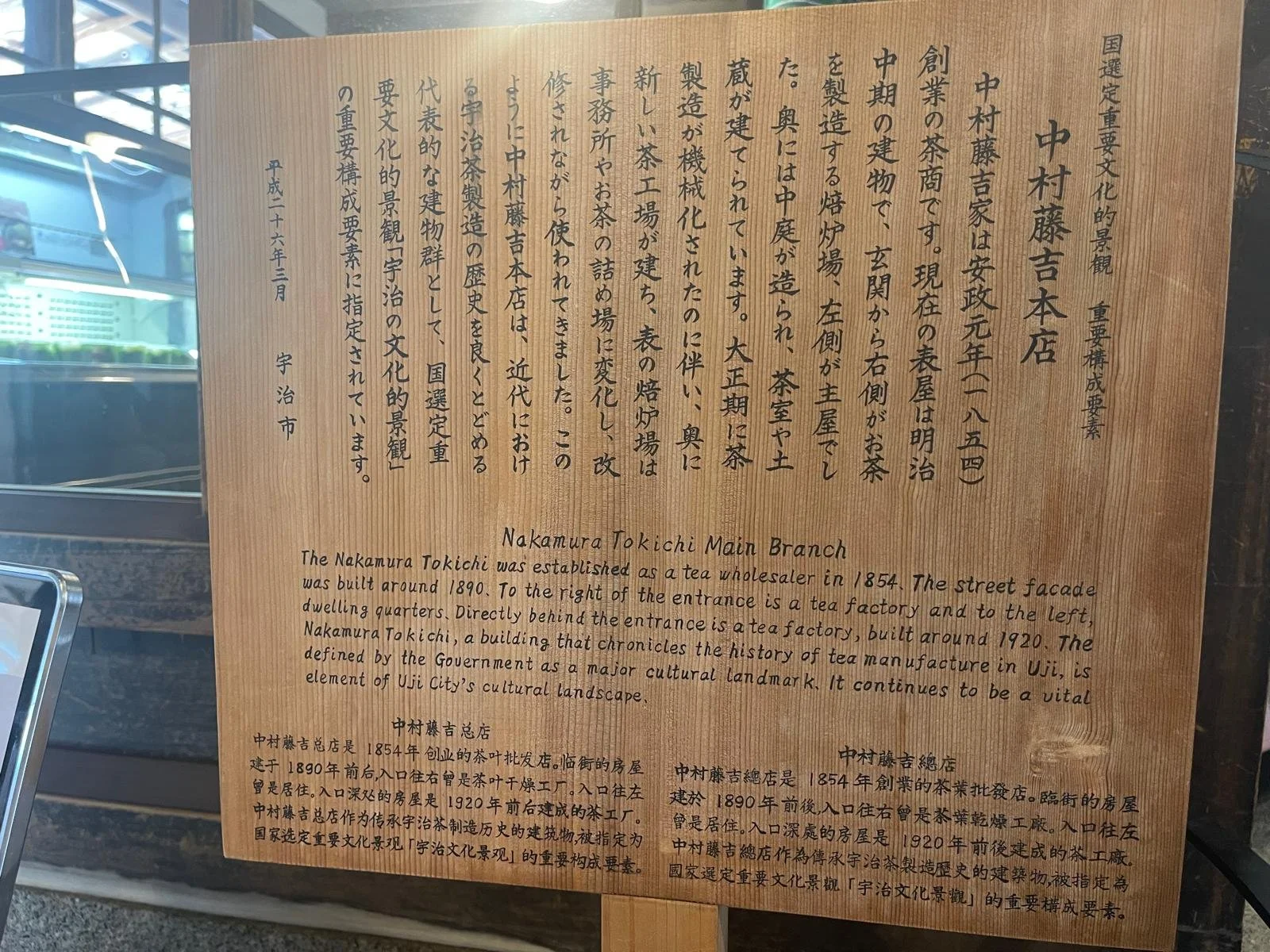
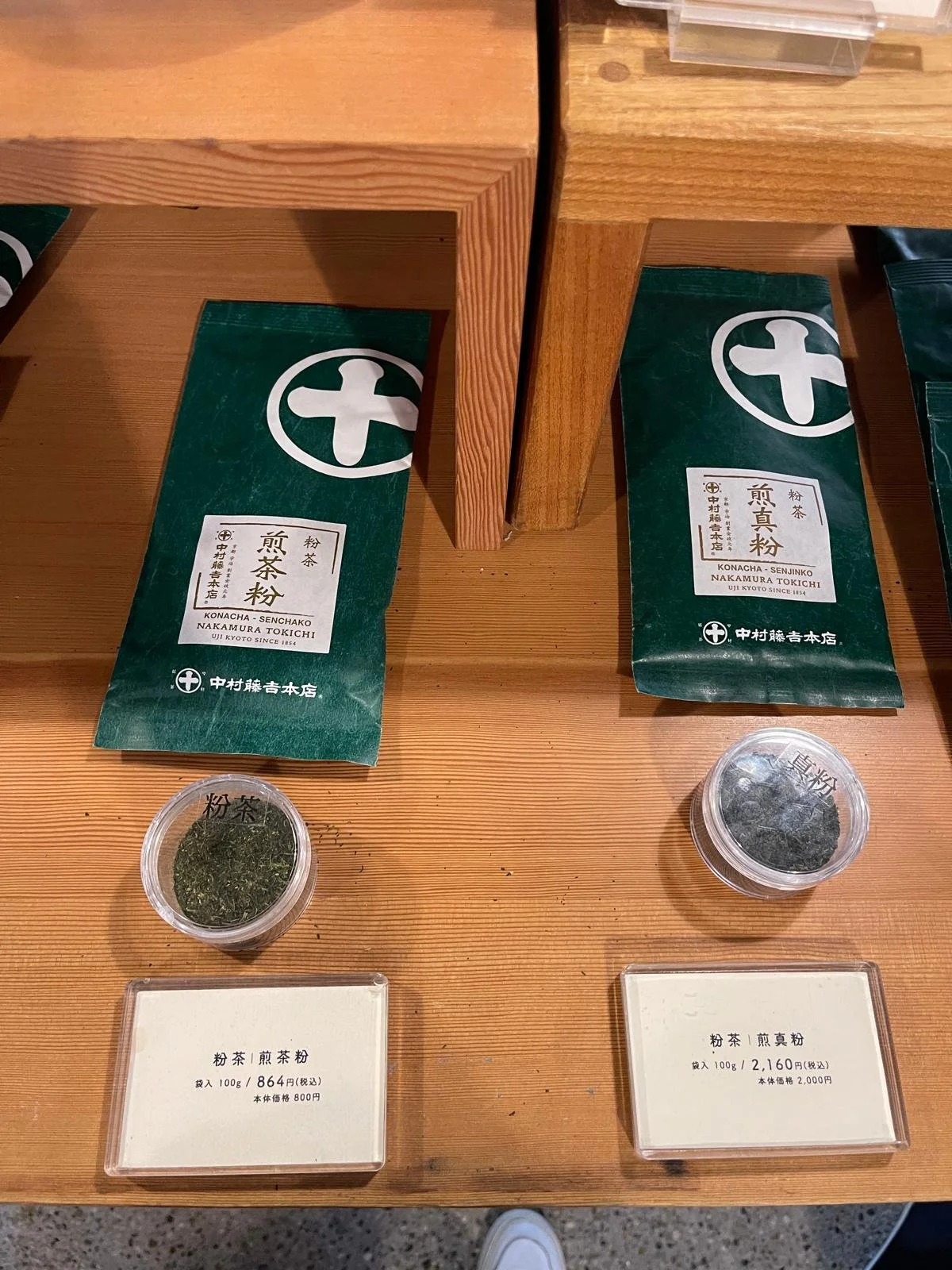
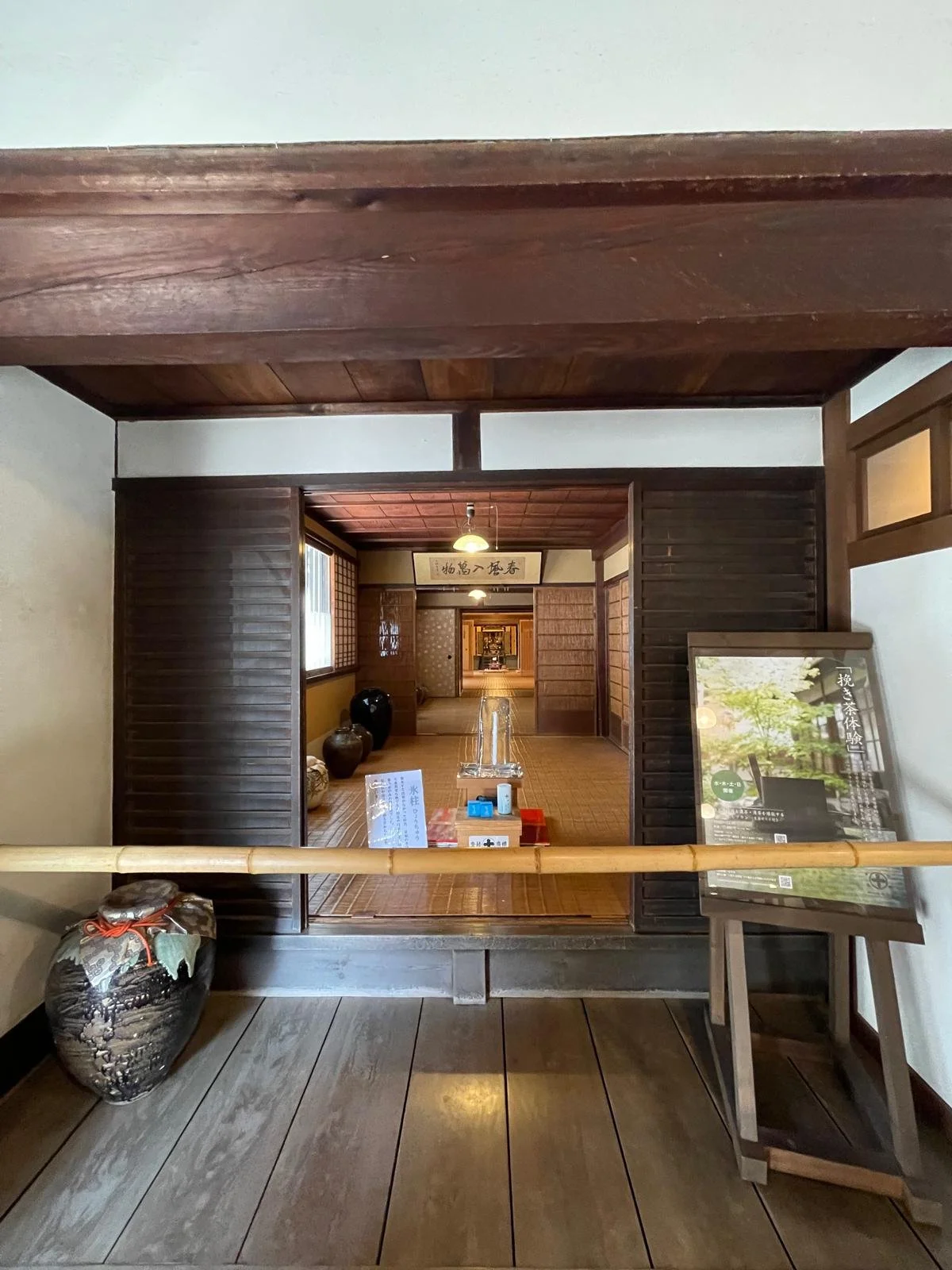
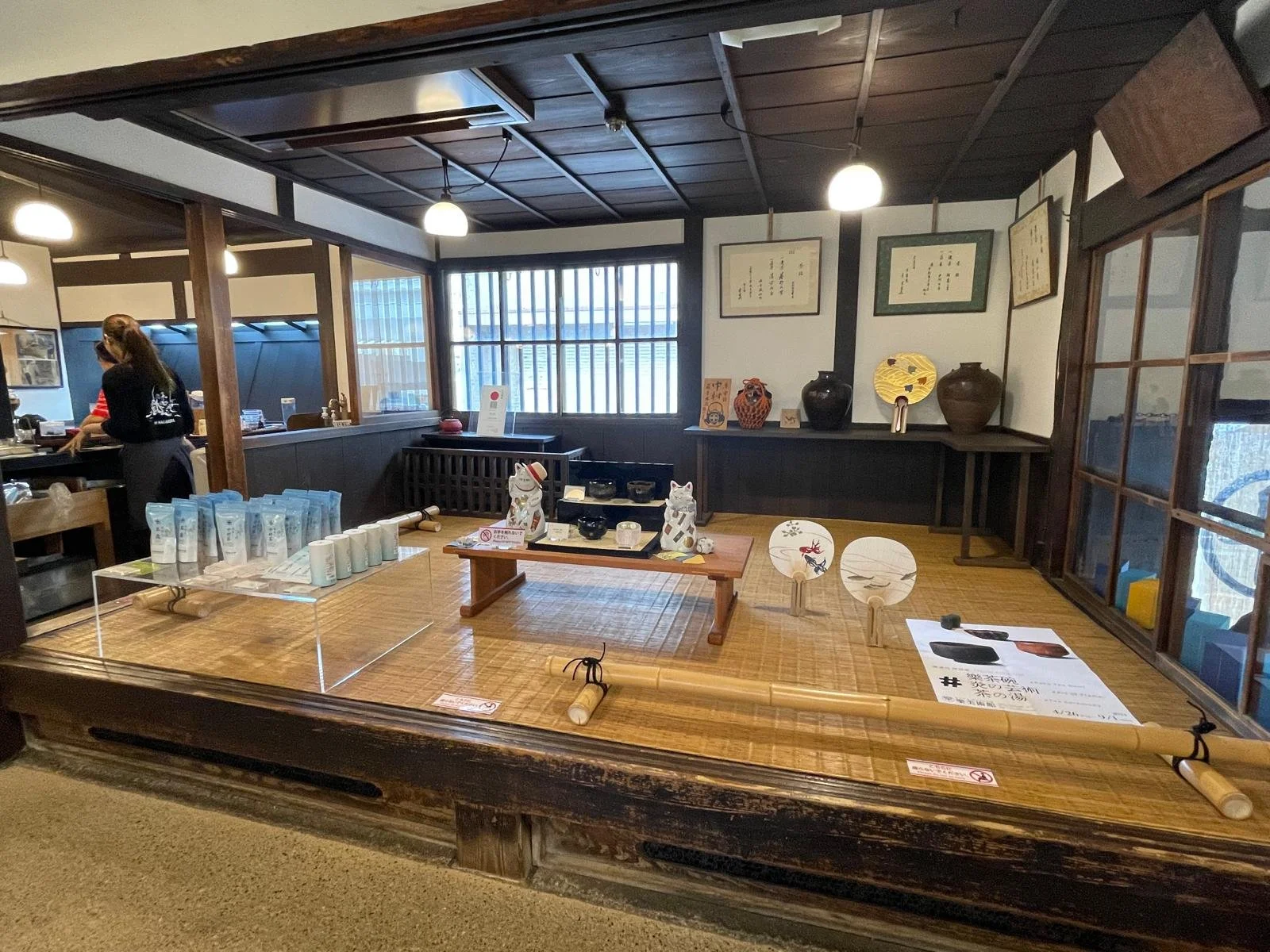
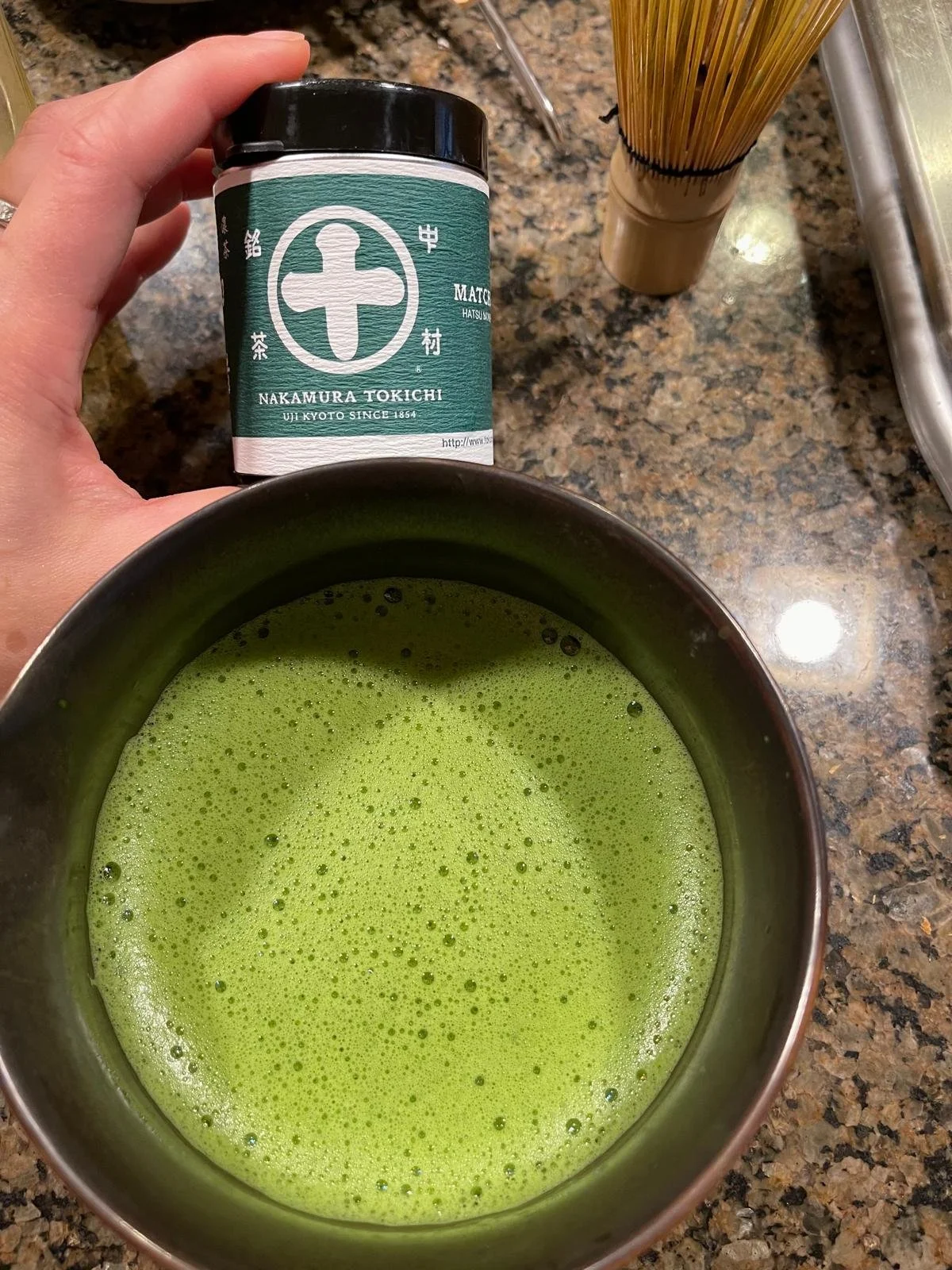
Nakamura Tokichi
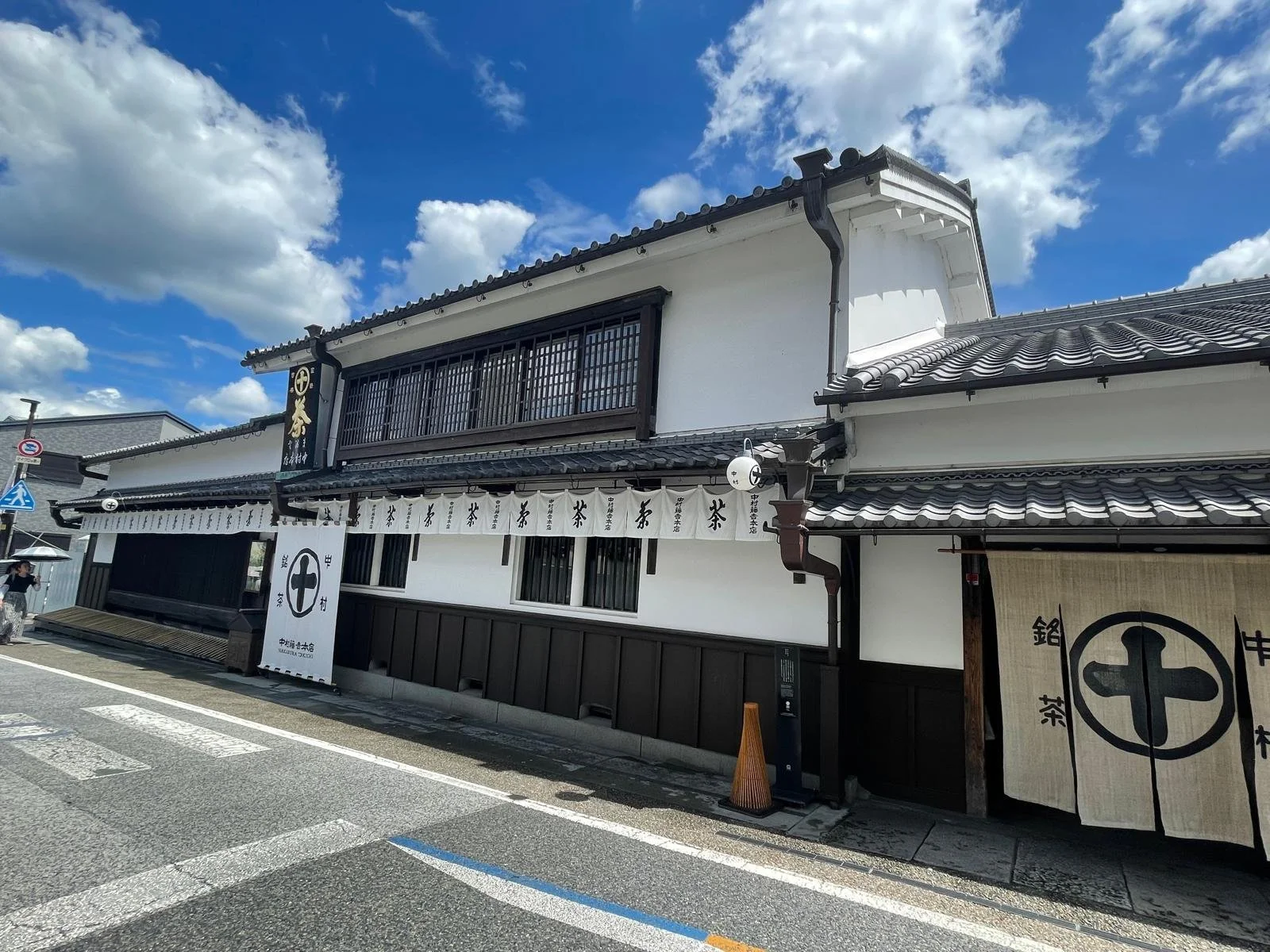
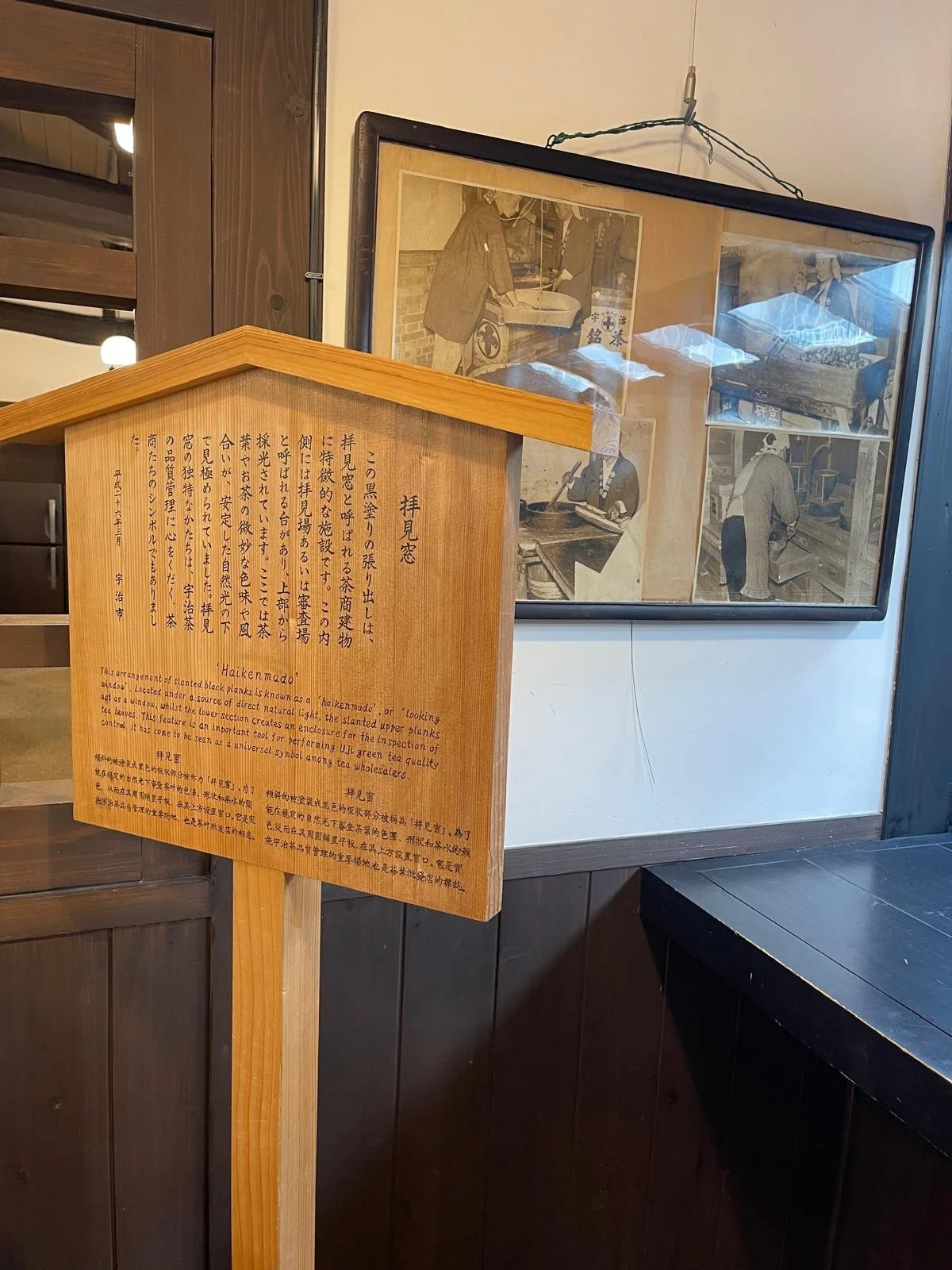
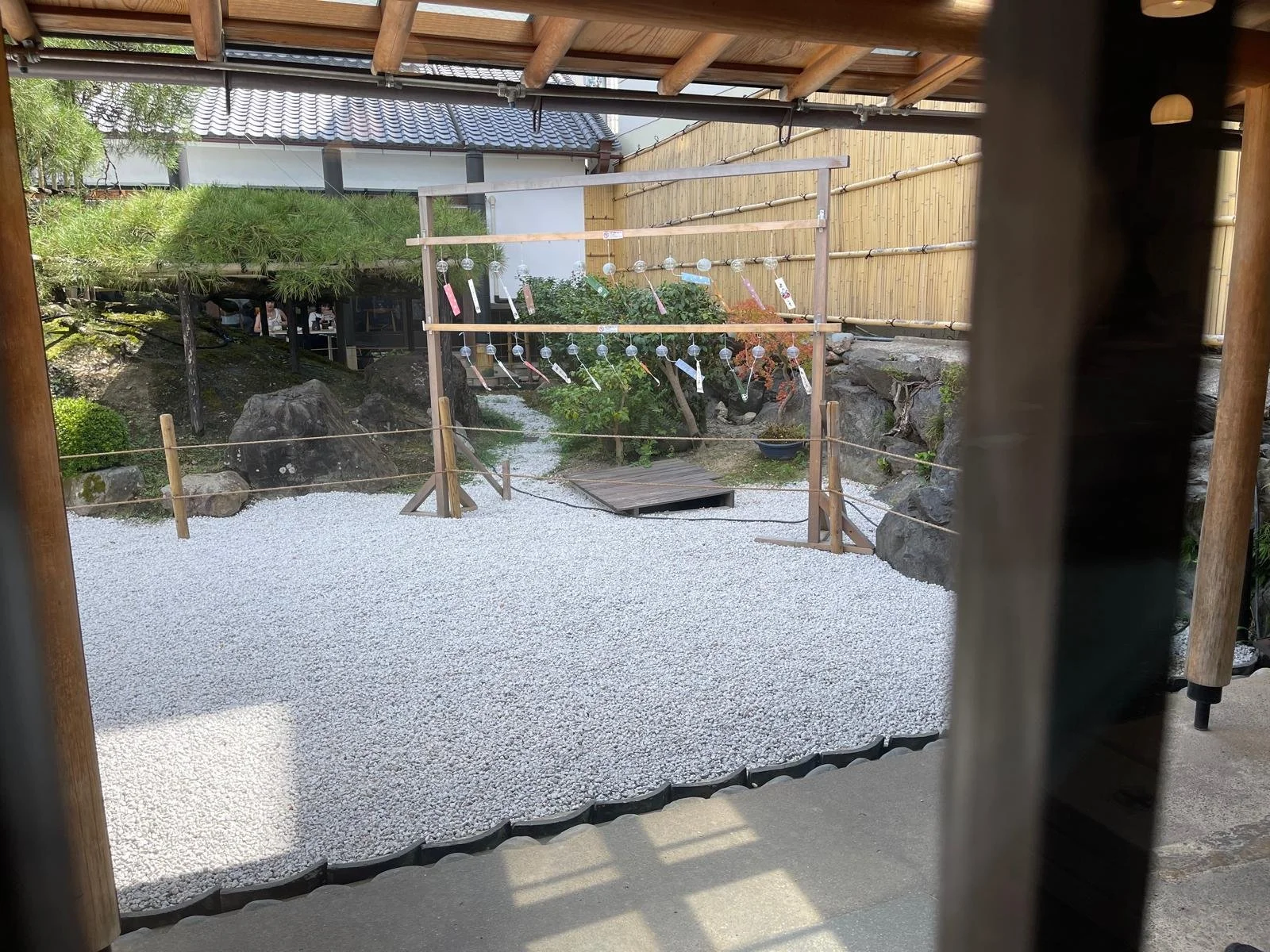
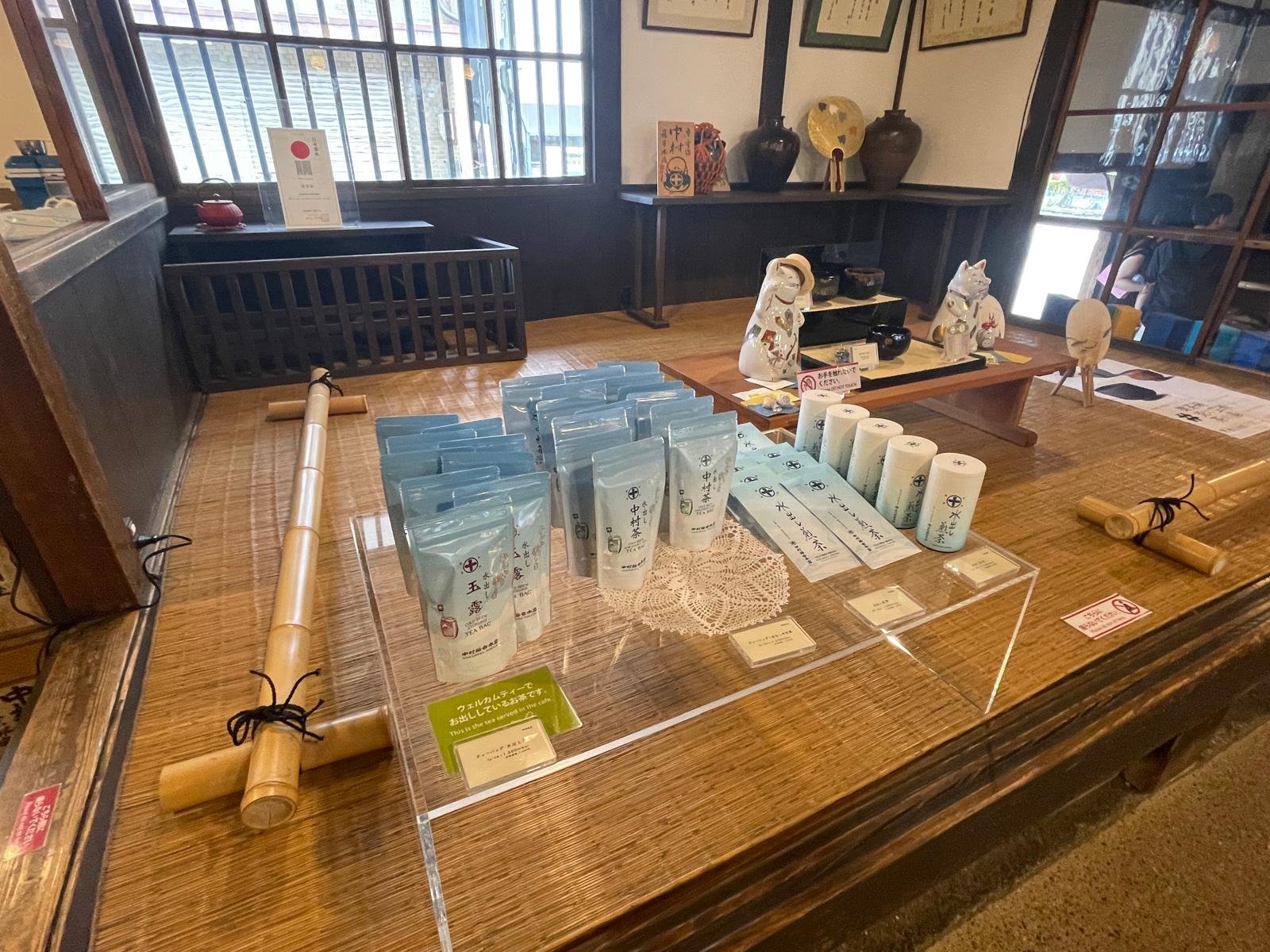
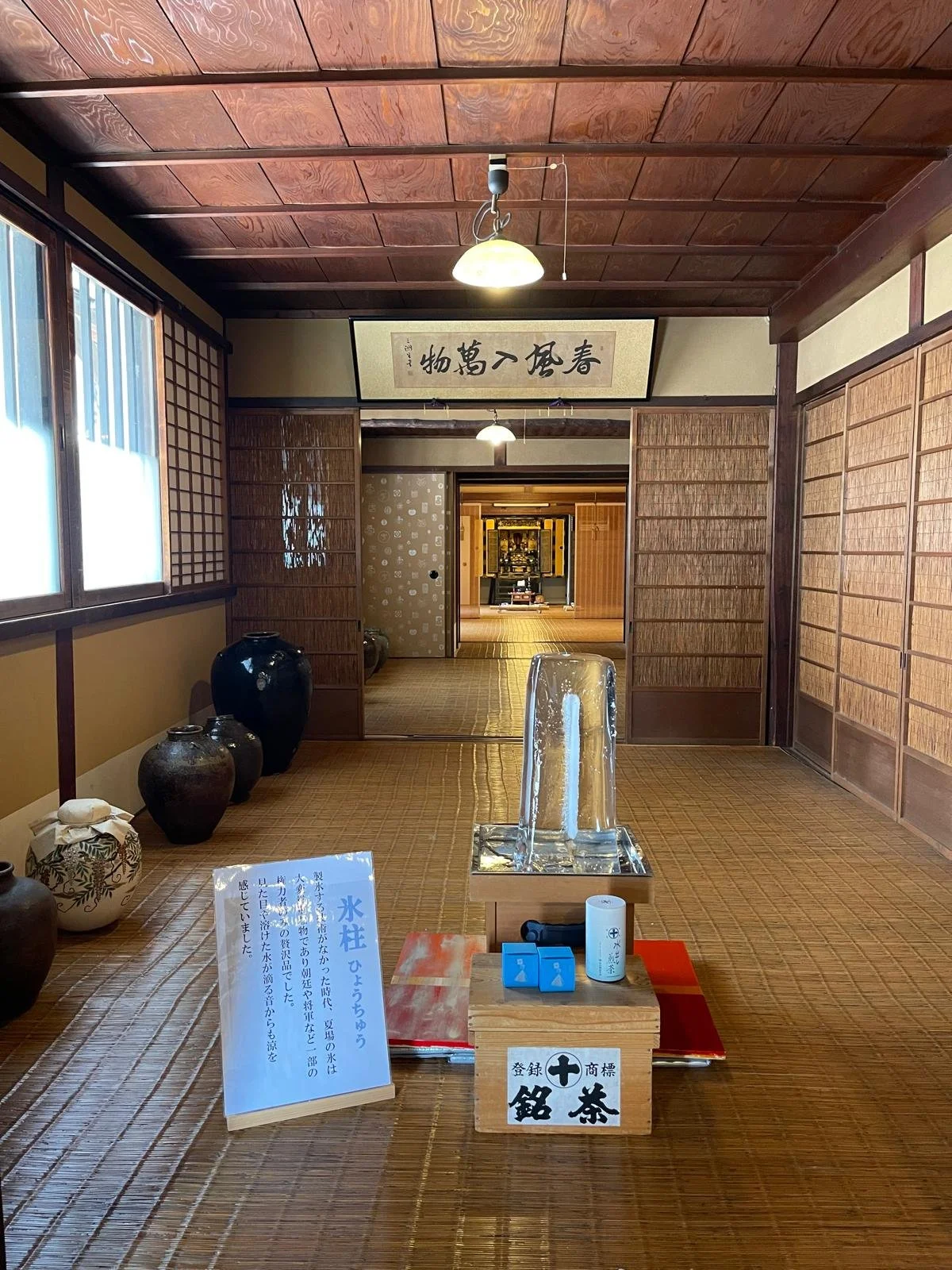
I visited Nakamura Tokichi ‘s main store in Uji last year and they have a variety of teas and tea treats. The line was so long that I didn’t have a chance to dine in there but I did buy a few of their teas to try for myself and as souvenirs. You really can’t go wrong with any of their selections.
🌟 Final Sip
Matcha isn’t just a drink — it’s a wellness ritual that fuels your body, calms your mind, and adds a touch of beauty to your day. With the right quality matcha and a mindful brewing process, you’ll turn every cup into a nourishing experience. I am still in search of my favorite matcha. Unfortunately, there has been a matcha shortage lately so it has been extremely hard to find really good ones. If you have one that you love and would highly recommend, please share it with me below.
Wow Yourself!